
 Being in zone 9 makes growing cool weather crops a bit of a challenge, especially if you are trying to follow the instructions usually given on seed packets. I finally gave up and used science as my guide. What do you know, it worked.
Continue reading Broccoli (Brassica oleracea var. italica)

 Gardening requires the utmost levels of patience. I am not a patient person. At all. Houston, we have a problem.
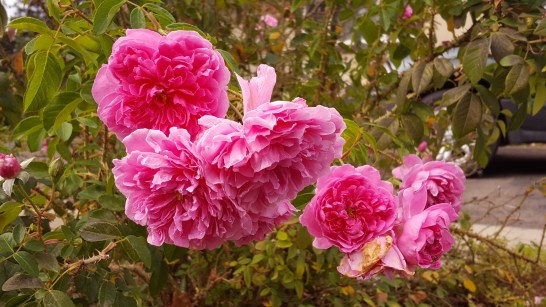 What’s not to love about roses? Okay, other than the thorns. At our peak, the
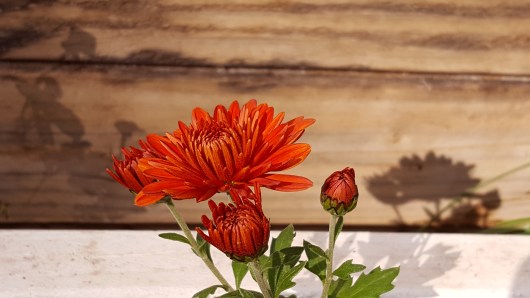 I didn’t use to pay much attention to chrysanthemums in my earlier days. They just seemed so “common place” and were always the cheap plants at the nursery. But at some point I decided that my garden needed that quintessential splash of color in the fall, so I thought “what the heck”.
 If you live in a part of the world that doesn’t get snow (jealous?!), most of the growing advice for cool weather crops won’t work for you. Trust me, I’ve tried following the seed packet instructions, only to get nothing. Zip. Zero.
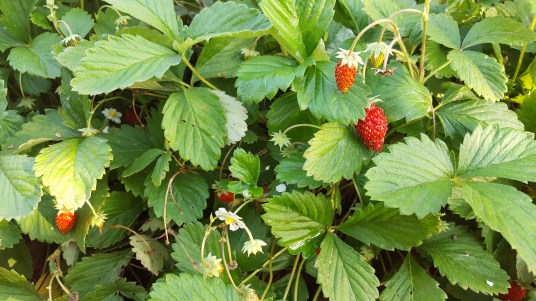 Take everything you thought you knew about the taste of fresh strawberries and throw it out the window. You know nothing! Nothing at all!! Not until you have tasted an Alpine Strawberry can you speak to me about the amazing goodness of strawberry flavor. They’re like candy, but so much better. It’s strawberry, but like strawberry flavor on steroids. There is just no comparison.
 Purple pesto, anyone? Deep purple color, sprays of pink flowers, amazing basil taste. It’s kind of nice when nature wraps up all the best features into a single plant. This basil makes a stunning addition to any salad and turned my
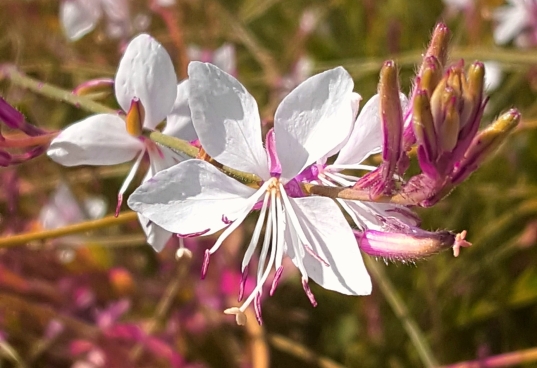 Gaura also goes by bee blossom, wand flower, and whirling butterflies, and if you see it growing you totally understand where these fanciful names come from. Dainty pink flowers dance on long sprays of thin stems that shoot up from the ground. The flowers start in early spring and continue on until winter comes.
 As the name implies, Cinnamon Basil has a slight cinnamon-y taste to it. I wouldn’t start making cinnamon rolls with it, but there are certain savory dishes that it is a perfect compliment to. Many Greek and Middle Eastern meat-based recipes actually use cinnamon for flavor, and so Cinnamon Basil would also be an excellent addition. Give your pesto a bit of a twist by using this basil along with your Sweet Basil. I’ve even used it in my
 Salvias (sages) are a wide-ranging group of plants native to a variety of habitats around the world. What they seem to have in common are brightly colored, tubular shaped flowers that hummingbirds and butterflies just love. This particular Sage is no exception, and has the added bonus of sweet smelling leaves that give off a pineapple scent (hence the name). The leaves and flowers are both edible, and are usually used fresh.
 Mostly Greek